You're standing in the hair care aisle, bottle in hand, squinting at a wall of text on the back. Aqua. Sodium Laureth Sulfate. Cetearyl Alcohol. Polyquaternium-10. It reads like a chemistry exam you never studied for.
The average shampoo contains somewhere between 15 and 30 ingredients. Most of us recognize maybe two: water and fragrance. Everything in between feels like a secret code designed to confuse rather than inform.
Here's the truth: hair product labels aren't actually that complicated once you understand the system. There's a logic to how they're written, what gets listed first, and what those long Latin-sounding names actually mean.
By the end of this guide, you'll understand how labels work, which ingredients matter most, and how to spot the marketing tricks that mislead even savvy shoppers. You'll also discover why memorizing ingredient lists isn't the answer—and what actually is.
Why Hair Product Labels Feel Impossible to Read
Before you blame yourself for not understanding that ingredient list, know this: you were never taught how to read it. Labels follow an international system that prioritizes regulatory consistency over consumer clarity.
The INCI System: A Universal Language You Were Never Taught
Every cosmetic product sold in most countries uses something called the INCI system: the International Nomenclature of Cosmetic Ingredients. It's a standardized way of naming ingredients so that a product made in South Korea, France, or the United States lists components the same way.
That's why your shampoo says "Aqua" instead of "Water" and "Tocopherol" instead of "Vitamin E." It's not pretentious, it's regulatory. INCI names are based on Latin or scientific nomenclature so they translate consistently across languages and borders.
The upside: A product from Tokyo and a product from Toronto will list the same ingredient the same way.
The downside: Unless you've studied cosmetic chemistry, the label looks like ancient Latin mixed with organic chemistry homework.
The "First Five" Rule: And Why It Only Gets You Halfway
You've probably heard some version of this advice: "Just focus on the first five ingredients, that's most of the product."
It's partially true. Ingredients are listed in descending order of concentration. Whatever appears first makes up the largest percentage of the formula, and so on down the line. By the time you reach ingredients in the bottom third, they're often present at less than 1%.
So yes, the first five ingredients give you a rough sense of a product's foundation. If you see water, followed by a bunch of silicones, you're looking at a silicone-heavy formula. If you see aloe vera juice first, the product has a botanical base.
But here's the limitation: knowing what's in the bottle doesn't tell you whether it's right for your hair.
A product might have a beautifully gentle ingredient list. It might avoid every ingredient on every "toxic" watchlist. And it might still leave your hair a frizzy, weighed-down, or stripped-out mess, because the formulation doesn't match what your hair actually needs.
The first five ingredients tell you what you're buying. They don't tell you whether you should.
The Anatomy of a Hair Product Label
Let's break down what you're actually looking at when you flip that bottle over.
Active Ingredients vs. Base Ingredients
Most hair products contain two types of ingredients:
Base ingredients make up the bulk of the formula. These are your water, primary surfactants (cleansers), emulsifiers, and thickeners. They give the product its texture, consistency, and ability to spread through hair.
Active ingredients are the ones doing the targeted work: moisturizing, strengthening, adding shine, soothing the scalp. These are often listed further down because you don't need as much of them to see an effect.
A common mistake is assuming that ingredients listed at the bottom don't matter. Some of the most effective actives: proteins, vitamins, botanical extracts, work at low concentrations. Position on the label isn't the same as importance.
What "Fragrance" and "Parfum" Are Hiding
Somewhere on almost every hair product label, you'll see the word "Fragrance" or "Parfum." It looks like a single ingredient, but it's actually an umbrella term that can contain dozens of undisclosed components.
Fragrance formulations are considered trade secrets, so brands aren't required to break them down. This isn't automatically a problem: most fragrance blends are perfectly fine for most people. But if you've ever reacted to a product and couldn't figure out why, fragrance is often the hidden culprit.
For those with easily irritated scalps, fragrance opacity can be frustrating. You can't avoid what you can't identify. This is one area where the label simply doesn't give you enough information to make a fully informed decision on your own.
Decoding Common INCI Names: Quick Reference
Here's a cheat sheet for ingredients you'll see constantly:
| INCI Name | Common Name | What It Does |
|---|---|---|
| Aqua | Water | Base/solvent |
| Sodium Lauryl Sulfate (SLS) | Sulfate cleanser | Strong surfactant; effective but can strip |
| Sodium Laureth Sulfate (SLES) | Gentler sulfate cleanser | Still a sulfate, but less stripping than SLS |
| Cocamidopropyl Betaine | Gentle surfactant | Mild cleanser, often paired with sulfates |
| Cetearyl Alcohol | Fatty alcohol | Conditioning, smoothing, not drying like "bad" alcohols |
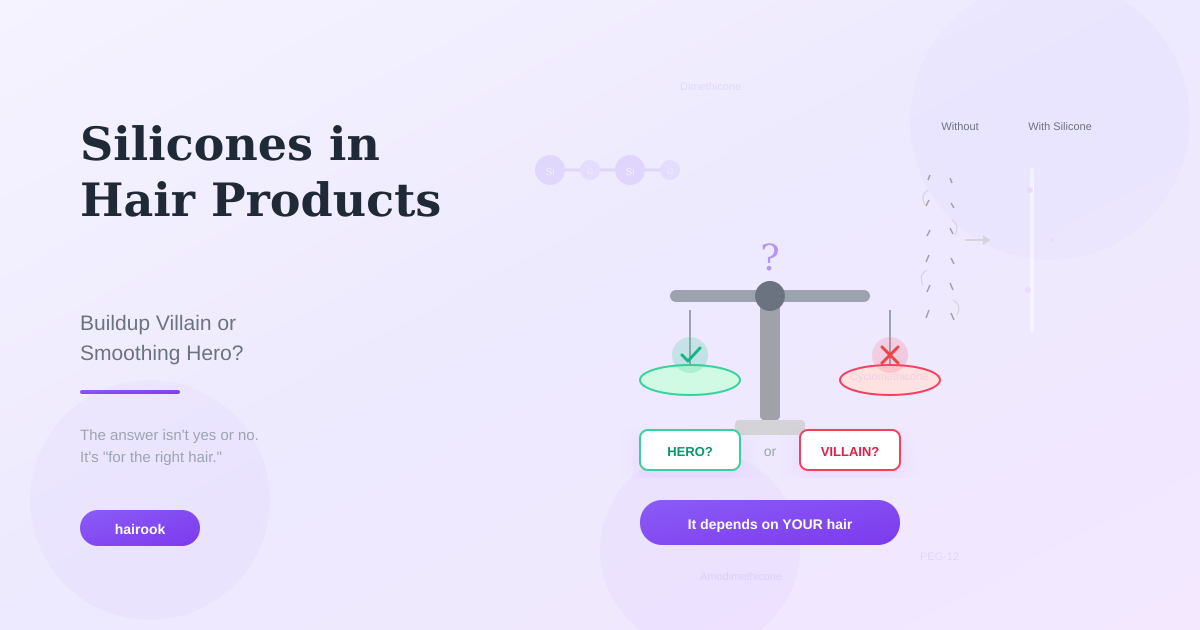
| Dimethicone | Silicone | Adds shine, reduces frizz, seals the cuticle |
| Glycerin | Humectant | Attracts moisture; performance varies by climate |
| Panthenol | Pro-Vitamin B5 | Strengthens, adds elasticity |
| Tocopherol | Vitamin E | Antioxidant, adds softness |
| Behentrimonium Chloride | Conditioning agent | Detangles, softens—common in conditioners |
Save this table. It covers the ingredients you'll encounter in probably 80% of the products you pick up.
Label Tricks That Mislead Shoppers
Understanding ingredient lists is one thing. Understanding how brands use those lists to shape perception is another.
"Natural," "Clean," "Organic": What These Actually Mean (Legally)
In the world of hair care, these terms mean far less than you'd think.
"Natural" has no legal definition in cosmetics. A product can be called natural while containing mostly synthetic ingredients.
"Clean" is a marketing term, not a regulated standard. Each brand defines "clean" however it likes.
"Organic" has some regulatory backing, but only if the product is certified by a recognized body. The word alone on a label doesn't guarantee anything.
The takeaway: Don't judge a product by its front-of-bottle claims. The ingredient list is where the truth lives.
The "Star Ingredient" Buried at the Bottom
Ever bought a shampoo because it featured argan oil prominently on the packaging, only to find argan oil listed near the very end of the ingredients?
This is one of the most common label tricks. Brands highlight a desirable ingredient in their marketing while including it at concentrations so low it barely affects performance. If your "argan oil shampoo" lists argan oil in the last five ingredients, you're getting a trace amount, possibly less than 1%.
If an ingredient is the reason you're buying the product, check its position on the list. Top third? You're getting a meaningful amount. Bottom third? It's likely more marketing than function.
Why "Free From" Lists Can Be Misleading
"Sulfate-free." "Paraben-free." "Silicone-free."
"Free from" claims have become a major selling point in hair care. And sometimes, they're genuinely useful, if you know you react to a specific ingredient, seeing "free from" gives you confidence.
But here's the catch: removing one ingredient doesn't automatically make a product gentle or effective.
A sulfate-free shampoo can still contain other harsh surfactants. A silicone-free conditioner can still be loaded with heavy butters that weigh fine hair down. Absence of one thing is not presence of quality.
"Free from" labels tell you what's not in the bottle. They don't tell you whether what's in the bottle is actually right for your hair.
Why "Gentle" Doesn't Always Mean "Right for You"
This is where most label-reading advice falls short.
You can master INCI names. You can memorize which surfactants are harsh and which are mild. You can spot every marketing trick in the book. And you can still end up with a product that fails your hair.
Why? Because ingredient quality and personal compatibility are two different things.
Think of it this way:
Formulation quality asks: Is this product gentle, well-made, and free of unnecessarily harsh ingredients?
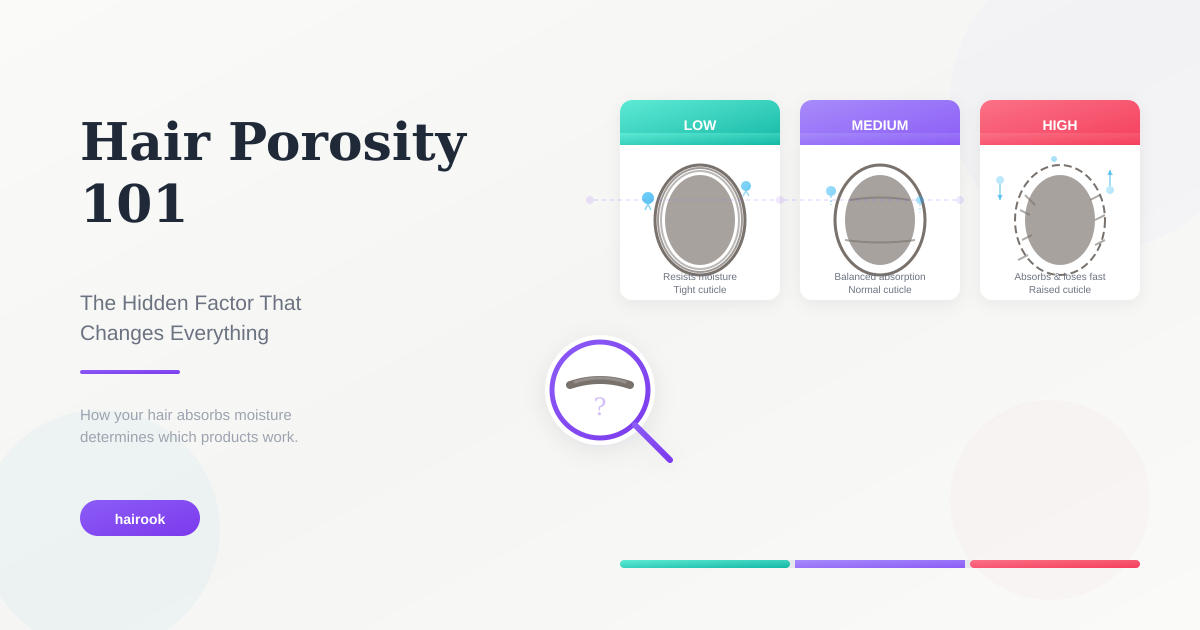
Personal match asks: Does this product contain what MY hair specifically needs, given my porosity, texture, scalp tendencies, and goals?
A shampoo can score perfectly on the first question and fail completely on the second.
Consider a beautifully formulated, sulfate-free, fragrance-free shampoo. On paper, it looks ideal. But if your high-porosity, damaged hair desperately needs protein and this product has none, it's not a match. It's not bad. It's just not yours.
This is why chasing "clean" or "gentle" products without considering personal fit leads so many people to frustration. They buy the "best" products and still wonder why their hair isn't thriving.
The goal isn't just to avoid bad ingredients. It's to find formulations that align with what your hair actually requires.
Quick Reference: Common Ingredients by Hair Need
Not all ingredients work equally for all hair types. Here's a practical breakdown:
| If Your Goal Is... | Look For | Be Cautious Of |
|---|---|---|
| Volume (fine hair) | Panthenol, hydrolyzed rice protein, lightweight humectants | Heavy silicones (dimethicone), thick butters (shea) |
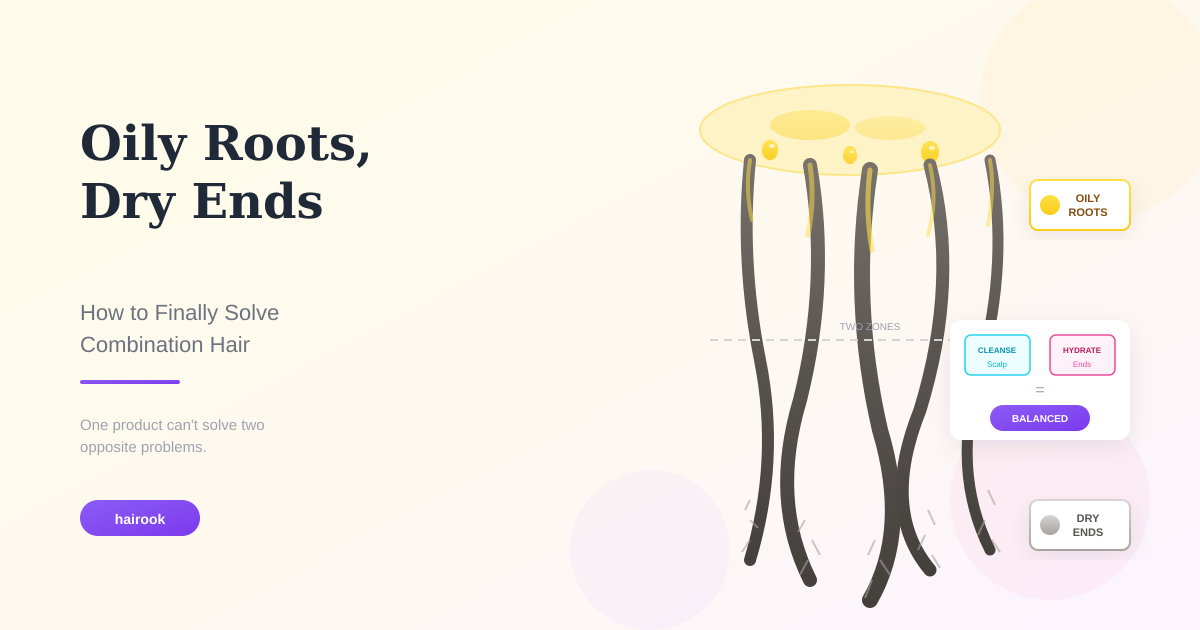
| Moisture (dry hair) | Glycerin, aloe vera, fatty alcohols, natural oils | Strong sulfates (SLS), drying alcohols (alcohol denat.) |
| Frizz control | Dimethicone, argan oil, behentrimonium chloride | Humectants in humid climates (glycerin) |
| Scalp comfort | Niacinamide, zinc pyrithione, salicylic acid | Heavy fragrance, SLS, essential oils (for some) |
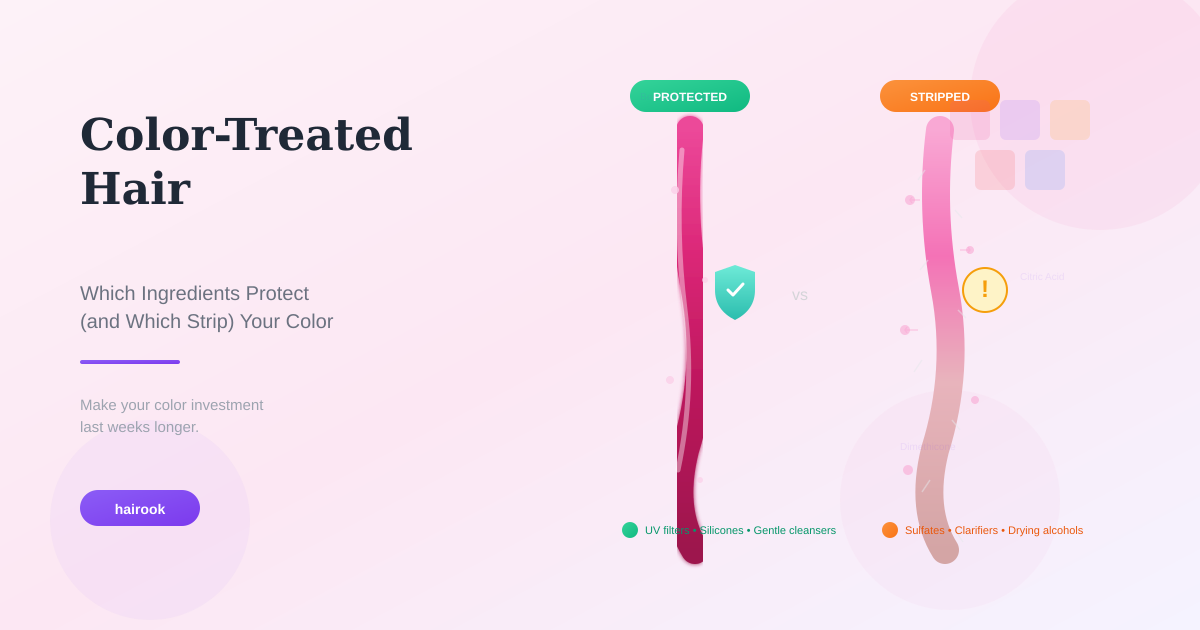
| Color protection | UV filters, gentle surfactants, bond-builders | Sulfates, clarifying agents |
| Curl definition | Lightweight gels, flaxseed, aloe, humectants (in right climate) | Heavy silicones (buildup), drying alcohols |
Of course, these are generalizations. Your specific hair profile might break these rules. That's exactly why personalized matching matters more than generic ingredient advice.
Putting It Into Practice
Let's say you pick up a bottle and see this ingredient list:
Aqua, Sodium Laureth Sulfate, Cocamidopropyl Betaine, Glycerin, Sodium Chloride, Panthenol, Dimethicone, Fragrance, Citric Acid, Sodium Benzoate
Here's what you now know:
- Water-based formula (aqua first)
- Primary cleanser is SLES (a moderate sulfate: effective, can be stripping for dry/sensitive types)
- Cocamidopropyl Betaine second means it's buffered with a gentler surfactant
- Glycerin and Panthenol add moisture and strength
- Dimethicone provides smoothing and shine
- Fragrance present (relevant if you're sensitivity-prone)
Is this a "good" product? That depends entirely on who's using it.
For someone with an oily scalp and normal-porosity hair? Probably a solid, everyday shampoo.
For someone with a dry, easily irritated scalp and high-porosity curls? The sulfate might be too stripping, and there's not enough conditioning for their needs.
Same label. Two completely different verdicts depending on the user.
The Bottom Line
You don't need a chemistry degree to make smarter hair product decisions. You just need to understand the basics: how labels are structured, what ingredient positions mean, and where marketing often obscures reality.
But here's the real shift in thinking: a product being gentle doesn't make it right for you. Ingredient quality and personal compatibility are separate questions, and you need answers to both.
That's the approach we built hairook around. Scan a product, and you'll see two scores: one for formulation quality, one for how well it matches your specific hair profile. No memorization required. No guesswork in the aisle.
Because labels give you data. What you actually need are answers.