You spent hours in the salon chair. You invested serious money getting your color exactly right. You walked out feeling like a new person.
Two weeks later, it's already fading. The vibrant tone is dulling. The blonde is going brassy. The rich brunette is washing out to something flat and lifeless.
What happened?
Here's what nobody tells you when you leave the salon: color longevity isn't just about the dye quality or your colorist's skill. It's about everything that happens after, specifically, what ingredients you're putting on your hair every day.
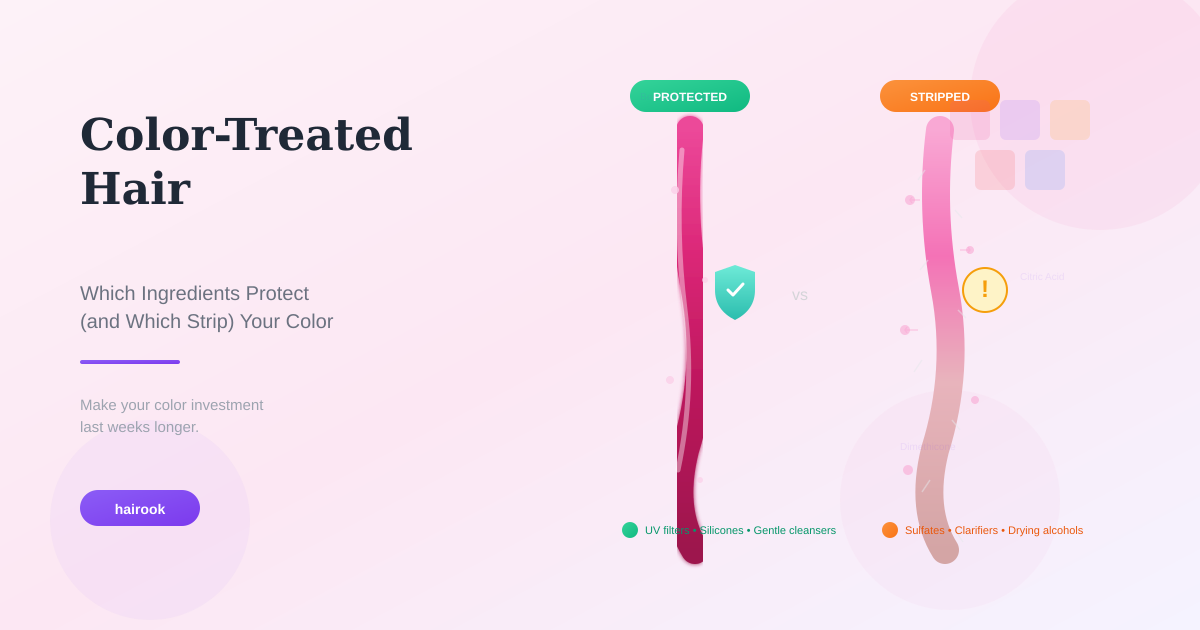
Some ingredients protect your color, keeping it vibrant weeks longer. Others actively strip it away, undoing your investment with every wash.
Let's break down exactly which is which.
Why Hair Color Fades: Understanding the Enemy
Before we talk solutions, you need to understand what you're fighting against.
How Hair Color Works (Quick Science)
Permanent color works by opening the hair's cuticle (the outer protective layer), depositing pigment molecules into the cortex (the inner structure), and then closing the cuticle back down to trap the color inside.
Semi-permanent and demi-permanent color works differently. It coats the outside of the strand or deposits color only in the outermost layers, without penetrating as deeply.
In both cases, the cuticle is the gatekeeper. When it's smooth, closed, and healthy, color stays locked in. When it's raised, damaged, or compromised, color escapes.
Everything that affects your cuticle affects your color retention.
The Main Causes of Color Fade
Water and washing. Every time you wet your hair, the cuticle swells slightly. Every time you shampoo, you're removing something, ideally just dirt and oil, but also potentially some color molecules. The more you wash, the more opportunities for color to escape.
Heat. Heat opens the cuticle. Blow dryers, flat irons, curling wands — they all lift those protective scales, giving color an exit route.
UV exposure. Sunlight doesn't just fade fabrics. It breaks down hair pigment molecules directly. This is why hair gets lighter in summer, and why colored hair fades faster with sun exposure.
Hard water minerals. Calcium and magnesium deposits create a film on hair that can dull color and cause brassiness, particularly in blonde and light-colored hair.
Harsh ingredients. Certain ingredients in hair products strip color away along with oils and buildup. These are the ones we need to identify and avoid.
Why Some Hair Loses Color Faster Than Others
Not all hair holds color equally well.
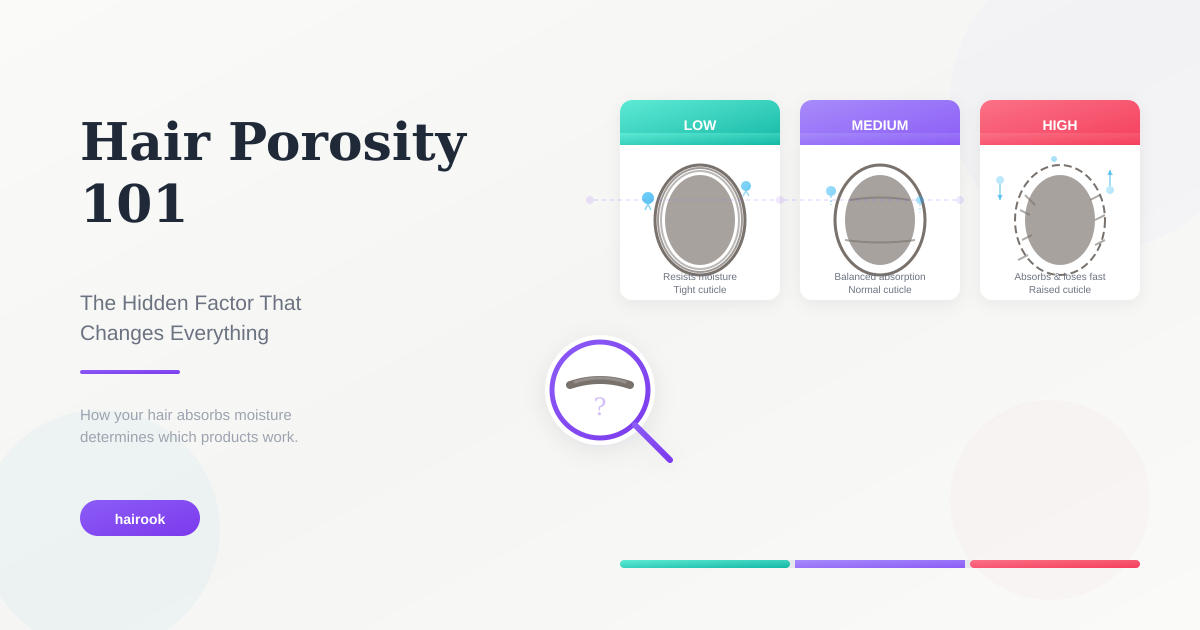
High-porosity hair, whether from genetics, damage, or chemical processing, has a raised, open cuticle that can't trap pigment effectively. Color goes in easily but escapes just as fast.
Previously damaged hair loses color faster than healthy hair. If your strands are compromised from heat, bleaching, or environmental exposure, the cuticle can't do its protective job.
Virgin hair being colored for the first time often holds color differently than hair that's been colored repeatedly.
Understanding your hair's condition helps you predict how aggressively you need to protect your color.
Ingredients That PROTECT Color
These are the ingredients to look for in your color-care products.
Gentle Cleansing Agents
The surfactants (cleansing agents) in your shampoo determine how aggressively it strips your hair.
Color-friendly surfactants include:
- Cocamidopropyl betaine
- Sodium cocoyl isethionate
- Decyl glucoside
- Sodium lauroyl methyl isethionate
- Coco-glucoside
These clean effectively without the aggressive stripping action of harsher alternatives. They remove dirt and excess oil while leaving more of your color intact.
Reality check: Some people with oily scalps or product buildup may still need occasional stronger cleansing. The goal isn't eliminating all effective cleansers. It's using gentle options for regular washing and reserving stronger formulas for when truly needed.
UV Filters and Protectants
Sun exposure is one of the biggest color killers, yet most people ignore it entirely.
UV-filtering ingredients to look for:
- Benzophenone-4
- Ethylhexyl methoxycinnamate
- Avobenzone
- Octinoxate
Antioxidants also help by neutralizing free radical damage from UV exposure:
- Vitamin E (tocopherol)
- Vitamin C derivatives (ascorbic acid, sodium ascorbyl phosphate)
- Green tea extract
If you spend any significant time outdoors, UV protection for your hair is as logical as UV protection for your skin.
Cuticle-Sealing Ingredients
Keeping the cuticle closed keeps color locked in.
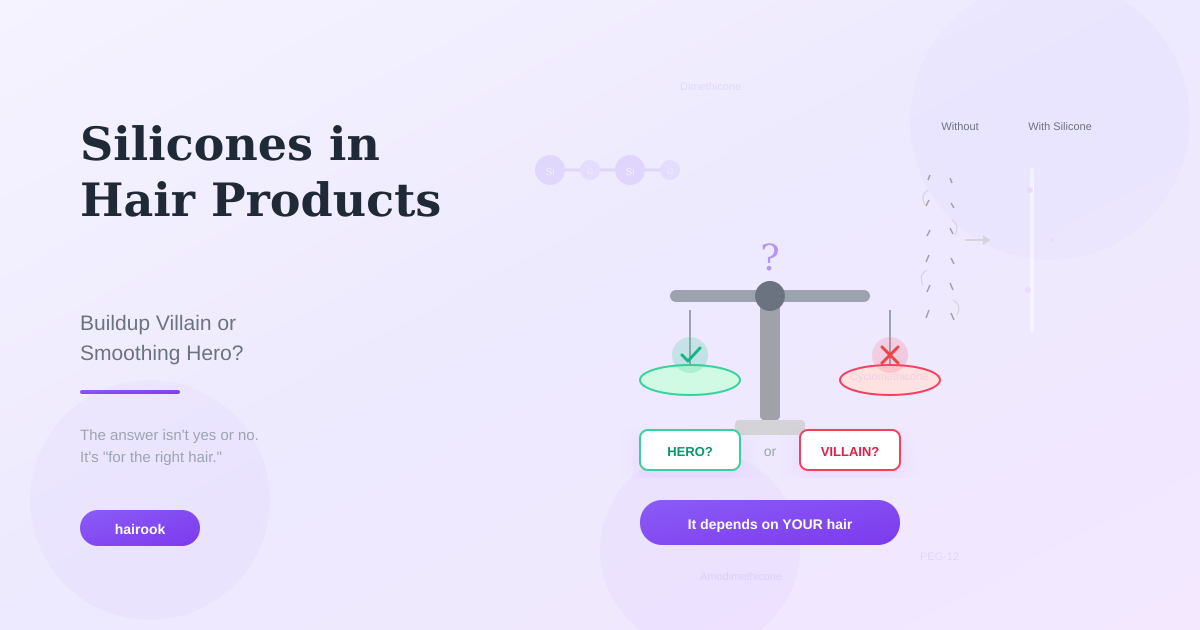
Silicones create a physical barrier over the hair shaft, helping seal the cuticle down. Dimethicone, cyclomethicone, and amodimethicone all serve this protective function for colored hair.
Acidic ingredients help flatten the cuticle naturally:
- Citric acid
- Apple cider vinegar (in diluted rinses)
- Acidic conditioner formulas (low pH)
Oils can also help seal, though with varying effectiveness:
- Argan oil
- Jojoba oil
- Marula oil
The sealing effect helps trap color molecules inside while also adding shine — a double benefit.
Protein and Strengtheners
Damaged hair loses color faster. Strengthening ingredients help reinforce compromised strands.
Hydrolyzed proteins (keratin, wheat, silk, quinoa) temporarily fill gaps in the cuticle, improving its ability to hold pigment.
Keratin treatments can help reinforce the hair structure overall, supporting better color retention.
Important balance: Protein is helpful, but too much causes brittleness. If your hair starts feeling stiff or straw-like, scale back on protein and increase moisture.
Moisture-Retaining Ingredients
Hydrated hair holds color better than dry, porous hair.
Look for:
- Glycerin
- Aloe vera
- Hyaluronic acid
- Panthenol (provitamin B5)
- Honey
These ingredients help hair maintain optimal moisture levels, which supports overall strand health and, by extension, color retention.
Color-Depositing Ingredients
For ongoing color maintenance, some products contain pigments that deposit small amounts of color with each use.
Purple and blue pigments in shampoos and conditioners neutralize brassy, yellow tones in blonde and gray hair.
Color-matched toning products for brunettes, redheads, and fashion colors help refresh faded tones between salon visits.
These don't replace professional coloring, but they extend the time between appointments.
Ingredients That STRIP Color
These are the ones to avoid, or at least use strategically and sparingly.
Sulfates: The Usual Suspect
You've probably heard that sulfates are bad for colored hair. Here's why.
Sodium lauryl sulfate (SLS) and sodium laureth sulfate (SLES) are aggressive surfactants. They're excellent at removing oil, dirt, and buildup, but they're not selective. They remove color molecules right along with everything else.
The nuance: Occasional sulfate use won't destroy your color overnight. But daily use will noticeably accelerate fade compared to gentler alternatives.
The strategy: Use sulfate-free shampoo for regular washing. Reserve sulfate-containing clarifying shampoos for occasional deep cleaning when truly needed and ideally, time that deep cleaning right before your next color appointment rather than right after.
Clarifying and Chelating Agents
Clarifying shampoos and chelating treatments are designed to remove stubborn buildup — minerals, product residue, silicones.
The problem: they're very effective at removing color too.
Clarifying ingredients (strong sulfates, high concentrations of surfactants) will strip color noticeably in a single wash.
Chelating ingredients (EDTA, phytic acid) designed to remove hard water minerals will also pull color.
When to use them: Strategically and sparingly. Before a color refresh, clarifying makes sense. You want a clean canvas, but clarifying the week after coloring is actively sabotaging your investment.
Alcohol (The Drying Kind)
Not all alcohols are problematic, but drying alcohols can strip moisture and fade color.
Avoid or minimize:
- Denatured alcohol
- Isopropyl alcohol
- SD alcohol 40
- Alcohol denat
These evaporate quickly, which is why they're used in some products for fast drying. But they strip moisture from hair, leaving strands dry and more prone to color loss.
Note: Fatty alcohols (cetyl alcohol, cetearyl alcohol, stearyl alcohol) are actually conditioning agents and are perfectly fine, even beneficial for colored hair.
High-pH Ingredients
Alkaline (high-pH) substances open the hair cuticle. Open cuticle means escaping color.
Watch out for:
- Baking soda (sodium bicarbonate) — sometimes used in DIY treatments or "natural" clarifying
- High-alkaline products marketed as "natural" or "chemical-free"
- Some bar shampoos with high pH levels
The misconception that "natural" automatically means gentler leads people to use baking soda rinses or alkaline products that actually accelerate color fade.
Heat Without Protection
Heat itself isn't an ingredient, but it interacts with everything you put on your hair.
Heat styling opens the cuticle. Without a heat protectant creating a barrier, you're essentially leaving the door open for color to escape repeatedly with every styling session.
Non-negotiable for colored hair: Always use heat protectant before blow-drying, flat ironing, or curling.
The "Color-Safe" Label: What It Actually Means
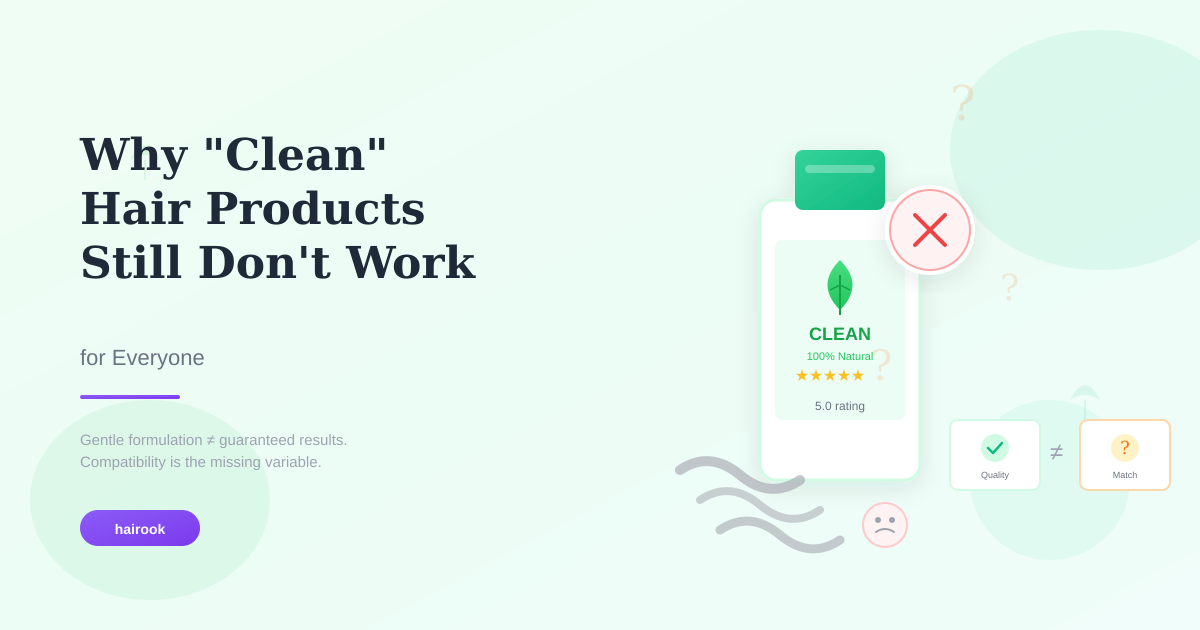
Here's an uncomfortable truth: "color-safe" is a marketing term, not a regulated standard.
There's No Official Definition
Unlike terms that have legal definitions, "color-safe" means whatever each brand decides it means. Generally, it implies:
- Sulfate-free or low-sulfate formula
- Gentler overall formulation
- Possibly some protective ingredients
But there's no certification body checking these claims.
What to Actually Look For
Instead of trusting the front label, check the ingredients:
- First few ingredients: Should be water followed by gentle surfactants (not SLS or SLES)
- No harsh alcohols in the top half of the list
- Conditioning agents present: Silicones, oils, or fatty alcohols
- UV protection: A bonus if included (check for ingredients ending in "-benzene" or "-cinnamate")
What "Color-Safe" Doesn't Guarantee
A "color-safe" label doesn't mean:
- The product is right for YOUR specific hair type (fine hair, thick hair, curly, straight)
- It addresses all color-fade factors (sun, heat, hard water)
- It's optimal for your specific type of color treatment
A color-safe shampoo that's too heavy for fine hair will still be wrong for you, regardless of the label.
Special Considerations by Color Type
Different color treatments have different needs.
Permanent Color
Permanent color is the most resilient, but still fades over time.
Focus areas:
- Cuticle sealing (silicones, acidic rinses)
- UV protection
- Gentle daily cleansing
- Protein treatments if hair is damaged from the coloring process
Semi-Permanent and Demi-Permanent
These fade faster by design, the color sits on or near the surface rather than deep in the cortex.
Focus areas:
- Minimize washing frequency as much as practical
- Use the gentlest possible cleansers
- Color-depositing conditioners to refresh between applications
- Avoid clarifying entirely until you're ready to re-color
Highlights and Balayage
Blonde tones are particularly prone to brassiness — unwanted warm, yellow, or orange tones that emerge as color fades or reacts to minerals.
Focus areas:
- Purple or blue toning products (shampoos, conditioners, masks)
- UV protection — blonde shows sun damage quickly
- Hard water management (shower filters, occasional chelating)
- Cool water rinses
Vivid and Fashion Colors
Purple, pink, blue, green — these fashion colors are typically semi-permanent formulas that fade dramatically faster than traditional colors.
Focus areas:
- Cold water only for washing
- Minimal washing frequency (dry shampoo between washes)
- Color-depositing conditioners matched to your shade
- Avoid sulfates almost entirely — they strip vivid colors noticeably with each wash
- Accept that maintenance is part of the commitment
Gray Coverage
Gray hair is often more porous than pigmented hair, which affects how it accepts and holds color.
Focus areas:
- Extra-gentle formulas for potentially more fragile hair
- Increased moisture (aging hair tends toward dryness)
- Protein for reinforcement without overdoing it
- Brassiness management (gray coverage can turn yellow or orange over time)
Beyond Products: Other Factors Affecting Color
Ingredients matter, but they're not the only factor.
Water Temperature
Hot water opens the cuticle. This is true whether you're washing or just rinsing.
Practical approach: Use warm water for washing (you need some warmth to properly cleanse), but finish with a cool or cold rinse to help seal the cuticle closed.
Washing Frequency
Every wash fades color somewhat. The less frequently you wash, the longer your color lasts.
Strategies:
- Extend time between washes with dry shampoo
- Focus shampoo on scalp only, letting it rinse through lengths
- Ask yourself if you truly need to wash, or if you're washing out of habit
The goal isn't never washing. It's intentional, strategic washing.
Hard Water
Hard water minerals create deposits that dull color and can cause brassiness, particularly in lighter shades.
Solutions:
- Chelating shampoo occasionally (accept some color loss as trade-off for removing buildup)
- Shower filter to reduce mineral content
- Rinse with filtered water for final rinse
Sun Exposure
UV radiation breaks down pigment molecules directly in your hair, just as in fabrics and photographs.
Protection strategies:
- Products with UV filters
- Physical protection (hats, scarves)
- Limiting extended sun exposure when possible
- Extra vigilance in summer months
Heat Styling
We've covered this, but it bears repeating: heat protectant is non-negotiable for colored hair.
Consider lower heat settings when possible. The 450°F setting on your flat iron fades color faster than 350°F.
Building a Color-Protecting Routine
Putting it all together into a practical routine.
Shampoo Strategy
- Regular washing: Sulfate-free, gentle surfactant formula
- Application: Focus on scalp; let rinse through lengths rather than scrubbing ends
- Clarifying: Only when necessary (visible buildup, before color refresh); accept that it will fade color somewhat
- Frequency: As infrequently as your scalp allows; extend with dry shampoo
Conditioner and Treatment Strategy
- Every wash: Rich conditioner from mid-lengths to ends
- Weekly: Deep conditioning mask for moisture and cuticle sealing
- As needed: Color-depositing treatment for toning (purple shampoo for blondes, color-matched masks for other shades)
- Monthly or as needed: Protein treatment if hair is damaged (balance with moisture)
Styling Strategy
- Always: Heat protectant before any heat tool
- Daily: UV protection if spending time outdoors
- Finishing: Silicone serum or oil to seal cuticle and add shine
Lifestyle Strategy
- Rinse with cool water
- Wash less when possible
- Before swimming: wet hair with fresh water and apply conditioner to create a barrier against chlorine and salt
- After swimming: rinse and condition immediately
- Protect from sun with products and/or physical coverage
The Bottom Line
Color fade isn't random or inevitable. It's caused by specific, identifiable factors — most of which you can control.
Ingredients that protect: Gentle cleansers, UV filters, cuticle sealers (silicones, acidic ingredients, oils), proteins for damaged hair, moisture-retaining humectants, and color-depositing pigments for maintenance.
Ingredients that strip: Sulfates (especially with frequent use), clarifying and chelating agents, drying alcohols, and high-pH ingredients that open the cuticle.
The "color-safe" label is a starting point, not a guarantee. Reading actual ingredients tells you more than any marketing claim.
Different color types need different approaches. What works for permanent brunette color isn't optimal for vivid purple or highlighted blonde.
And understanding which ingredients work for your specific color treatment, alongside your hair type and porosity, helps you protect your investment rather than watching it wash down the drain. Tools that match products to both your hair profile and your color needs can help you navigate these decisions without the guesswork.